Virtual reality
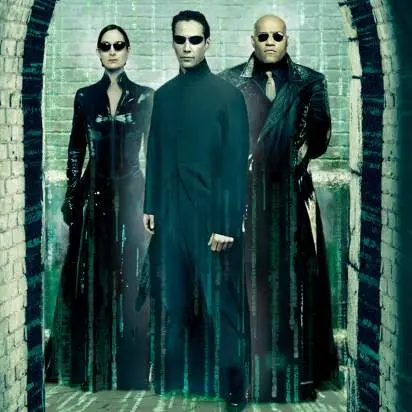
We probably all remember the film “The Matrix”, where people living in a simulated world had no idea that the reality they perceived was not reality at all, but an artificially manipulated perception.
People’s curiosity knows no bounds, and the question is “what next?” So what is this virtual reality of legend and what are its origins?
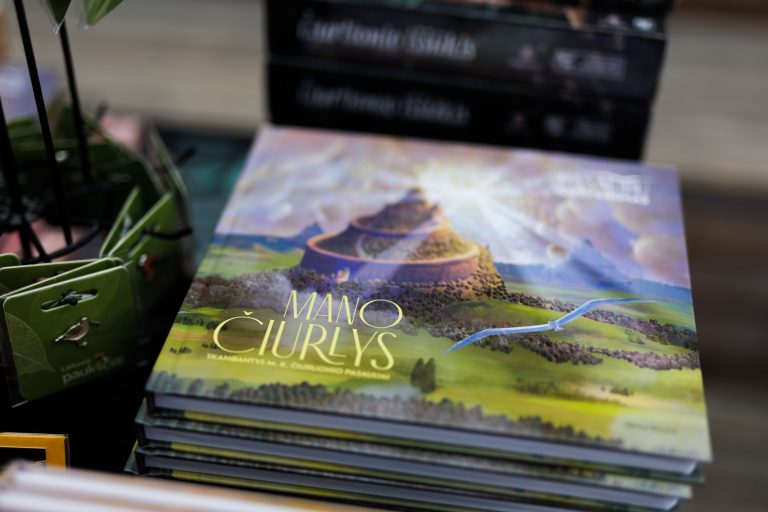
Virtual reality, or VR for short, is a three-dimensional environment that exposes people to the illusion of reality. Thanks to special electronic equipment, the brain is tricked, perception is altered and unreal things become real. In the same way, in the virtual reality film “On the Paths of Angels”, M.K. Čiurlionis’s paintings came to life and became the most realistic story.
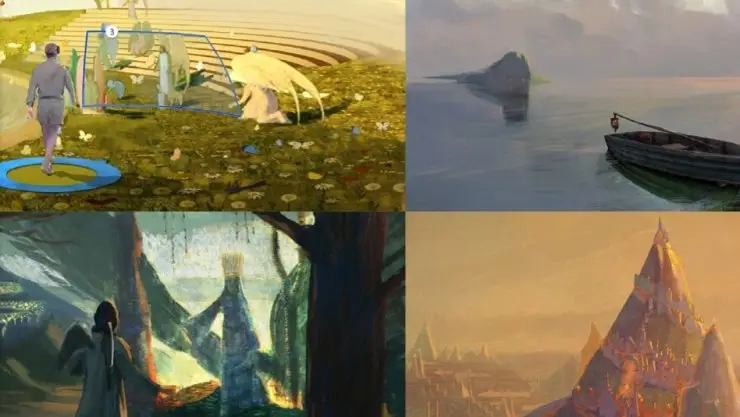
Virtual reality film “On the Trail of Angels”
Often, VR experiences are blended with other technologies such as 360° videos, 3D movies and other similar types of media. The basic premise is that VR becomes a virtual reality, where the experience is interactive and the creation tool is exclusively computer-based.
Some electronic equipment is needed to get us into virtual reality. This equipment is usually a helmet with a screen or goggles inside and a headset on the side of the helmet. VR equipment can also include special gloves and grips, but the most important tool for the virtual reality experience is the goggles.
First VR tests
Panoramic paintings
The illusion of being somewhere we are not was already attempted in the 19th century, when artists painted 360-degree panoramic paintings (frescoes) to make people feel as if they were actually present at a historical event. These paintings were painted in such a way as to fill the viewer’s entire field of vision as they rotated around their axis.

Battle of Borodino, 1812
The first flight simulator in Virtual Reality
In 1929, Edward Link developed the Link trainer, the first electromechanical device for commercial flight training. The device was based on motors connected to the rudder and its column, with the aim of replicating turbulence and flight disturbances.
The first purchasers of the Link trainer were the US Army, which bought 6 units. During the Second World War, sales jumped to 10,000 and more than 500,000 pilots used the device for training. This type of training was much safer than in the air.
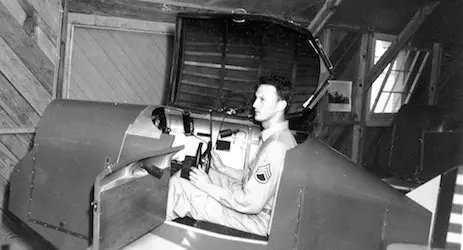
“Link trainer”
Science fiction visionaries and virtual reality
Pygmalion’s Spectacles, written by Stanley G. Weinbaum in 1930, describes a fictional pair of spectacles that allow the wearer to experience a fake, imaginary world through the senses of taste, touch, smell and holography.
Amazingly, the insight of Stanley G. Weinbaum’s glasses was uncannily similar to current VR technology, making the writer a true technology visionary!
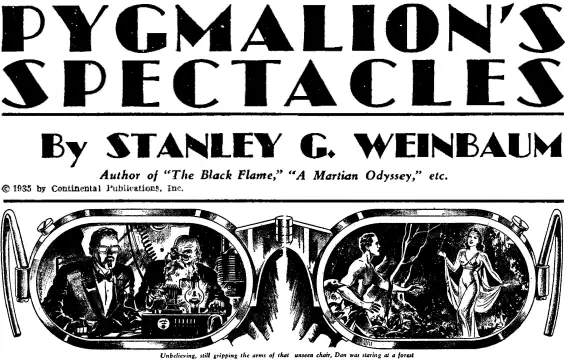
Image: sffaudio.com
Morton Heilig “Sensorama”
In 1950, cinematographer M. Heilig invented the “Sensorama”, a theatre room with a variety of stimuli, not just the usual audio and visual ones. This theatre room was equipped with stereo speakers, a stereoscopic 3D screen, fans, smell generators and a vibrating chair.
The aim of this innovation was to immerse the viewer in the film experience as much as possible, and in Sensorama the audience could watch 6 different films created by Heilig and adapted to the technology: ‘Motorbike’, ‘Belly Dancer’, ‘Dune Buggy’, ‘Helicopter’, ‘A Date with Sabina and I’m a Coca-Cola bottle!’.
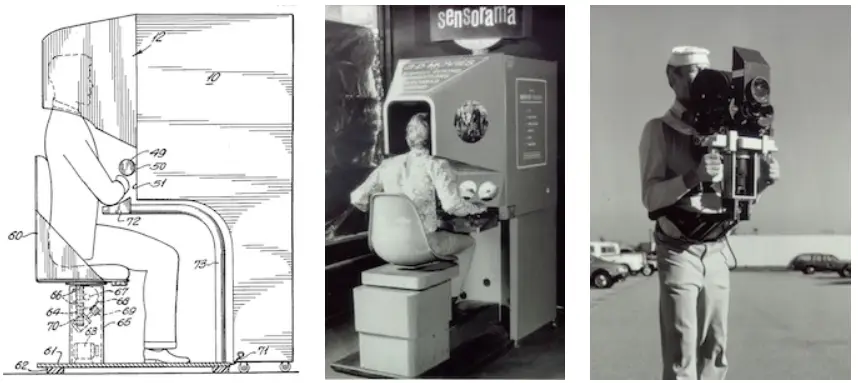
Photo: mortonheilig.com
Interview with Morton Heilig about Sensorama
The first prototype VR glasses
Morton Heilig was also the first to create the closest prototype of the current VR helmet. This was a head-mounted telepheric mask-display (HMD), but the device was designed for non-interactive movie viewing. With this VR prototype, viewers could watch 3D films in wide screen with stereo sound.
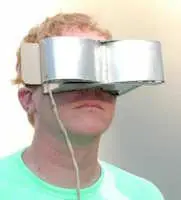
“Headsight technology
In 1961, two Philco Corporation engineers, Comeau and Bryan, developed the first HMD pioneer, the Headsight. “The Headsight had two screens for each eye and a magnetic motion tracking system that responded to the user’s movements. The system was designed to help soldiers monitor dangerous areas remotely. “The Headsight had several shortcomings compared to current VR goggles – it lacked a built-in computer and integrated image generation.
Artificial reality
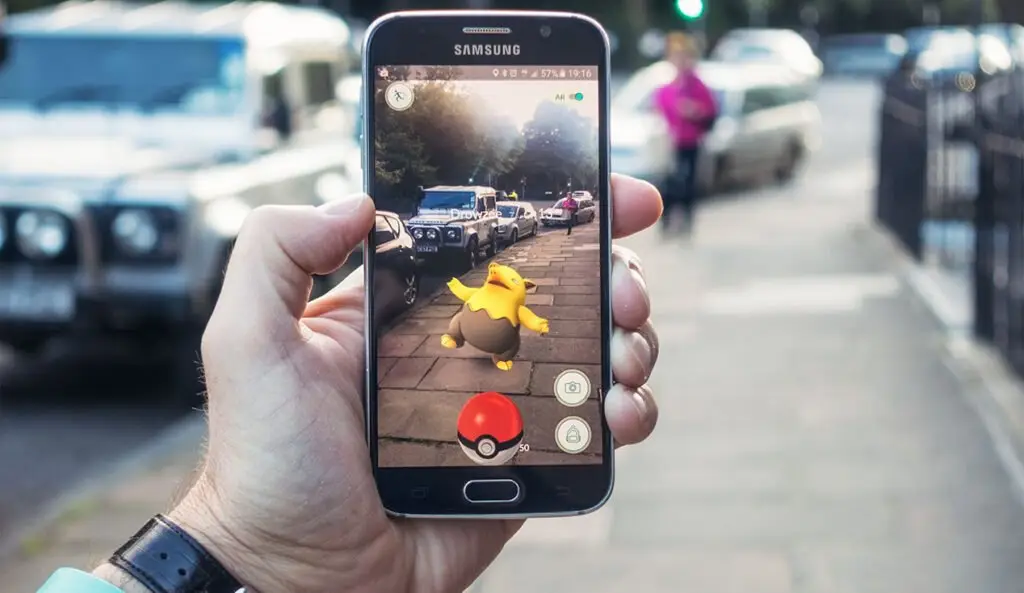
In 1969, VR computer artist Myron Krueger created a series of experiences he called “artificial reality”. Krueger used computers to create artificial environments that reacted to the people in them. The initial projects, called GLOWFLOW, METAPLAY and PSYCHIC SPACE, progressed and led to the development of another ground-breaking technology called “VIDEOPLACE”. “Thanks to VIDEOPLACE, people were able to communicate with each other in a responsive computer-generated environment at distances of several kilometres.
The birth of the name
The term “virtual reality” is surrounded by controversy. It was only in 1987, when Jaron Lanier, founder of Japan’s Visual Programming Laboratory (VPL), coined the term. Others believe that the term existed much earlier and that Lanier merely popularised it.
In one way or another, the official year of the term is 1987, and the term has had an official name since then. Thanks to the company’s research, Lanier developed many virtual reality devices such as the Dataglove (with Tom Zimmerman) and the EyePhone head-mounted display.
VPL was also the first to sell VR goggles, ranging in price from USD 2 000 to USD 49 000, and VR gloves at USD 9 000. These devices represent a stepping stone in the field of haptics (non-verbal communication).
“The Matrix and virtual reality
The Wachowskis’ The Matrix, a film with a strong cultural impact and a theme of simulated reality, showed what life would really look like if each of us lived in a simulated world. Although in The Matrix the protagonists are aware that they are living a fake life, each of us can be reassured that virtual reality is usually separated from the real world, but we can consider how influential and powerful virtual reality technology will be in, for example, 100 years’ time?

Google “Street View”
Since 2007, Google Maps has enabled us to find our way around virtually any corner of the world. Google introduced 360-degree Street View by capturing the environment with special cars fitted with camera equipment. The work was done with a dodecahedron (an edge with twelve flat walls) camera.
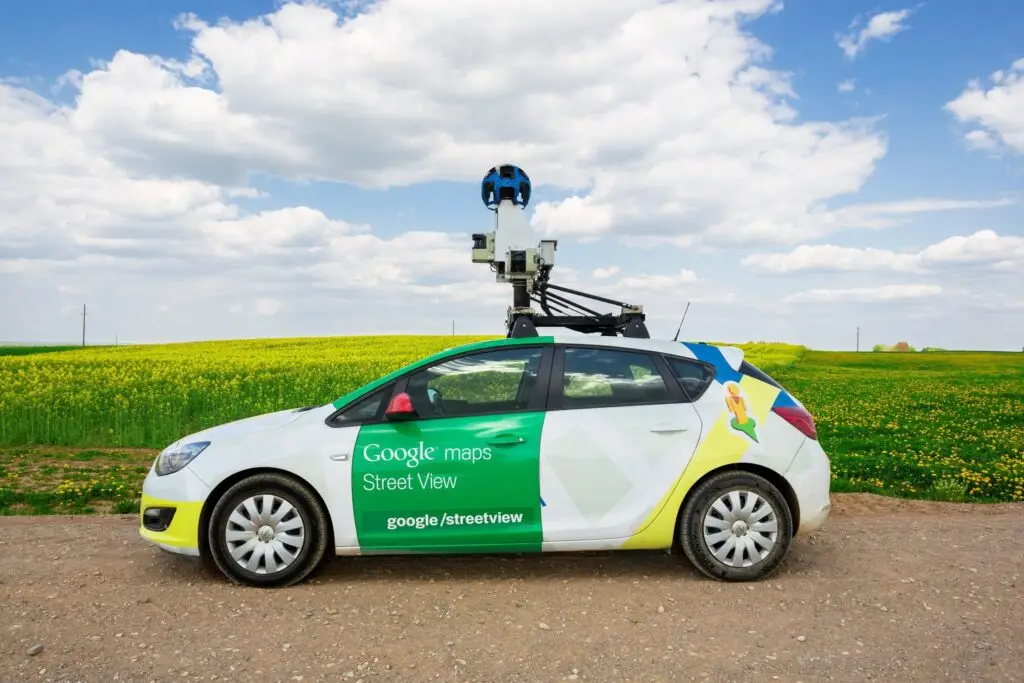
MICHAL ZDUNIAK/SHUTTERSTOCK
2019 – VR is changing fast
2019 has been a watershed year for VR technology, with the cost of devices falling sharply and hardware capable of handling the technology becoming commonplace. Wide fields of view, adaptation to the viewer’s eyes, manual scanning – just a few of the developments that make current VR technology familiar.

Perspectives
Entertainment industry
Widely used today, VR technology is a new perspective in entertainment. Immersive and interactive games, real-life experiences and unforgettable experiences are the key drivers for the entertainment industry.
Education
A way of learning for the students of the future, as well as a great way to practice for high-risk professions such as aviation, medicine and the military. Safe, controlled and low-cost learning is the future aspiration in many fields.

ABO PHOTOGRAPHY/Shutterstock.com
Architecture
In the construction industry, VR technology is used as a tool to visualise and plan buildings. For those involved, it’s a different experience and a great help in making important decisions.
Tourism
The other side of the globe has never been so easily accessible. VR tours, sightseeing trips and guided tours are just a fraction of what virtual reality has to offer.

Let’s dive into virtual reality together!