You’ll agree that reaching and engaging today’s students is a daunting task for both parents and teachers. As generations change, so too must the means of learning and the ways in which we reach students. We want our virtual reality film “On the Paths of Angels” to contribute to this change. We are therefore delighted to be able to present it at EdTech 2024, the international conference on educational innovation and digital transformation in education in Kaunas on 7-8 February.
This conference is the perfect platform for all education professionals. “EdTech 2024 brings together all members of the education community who are committed to enhancing the learning process with the latest innovations. We are glad that we were able to use this platform to present how we envision the role of technology in the future classroom and education system.
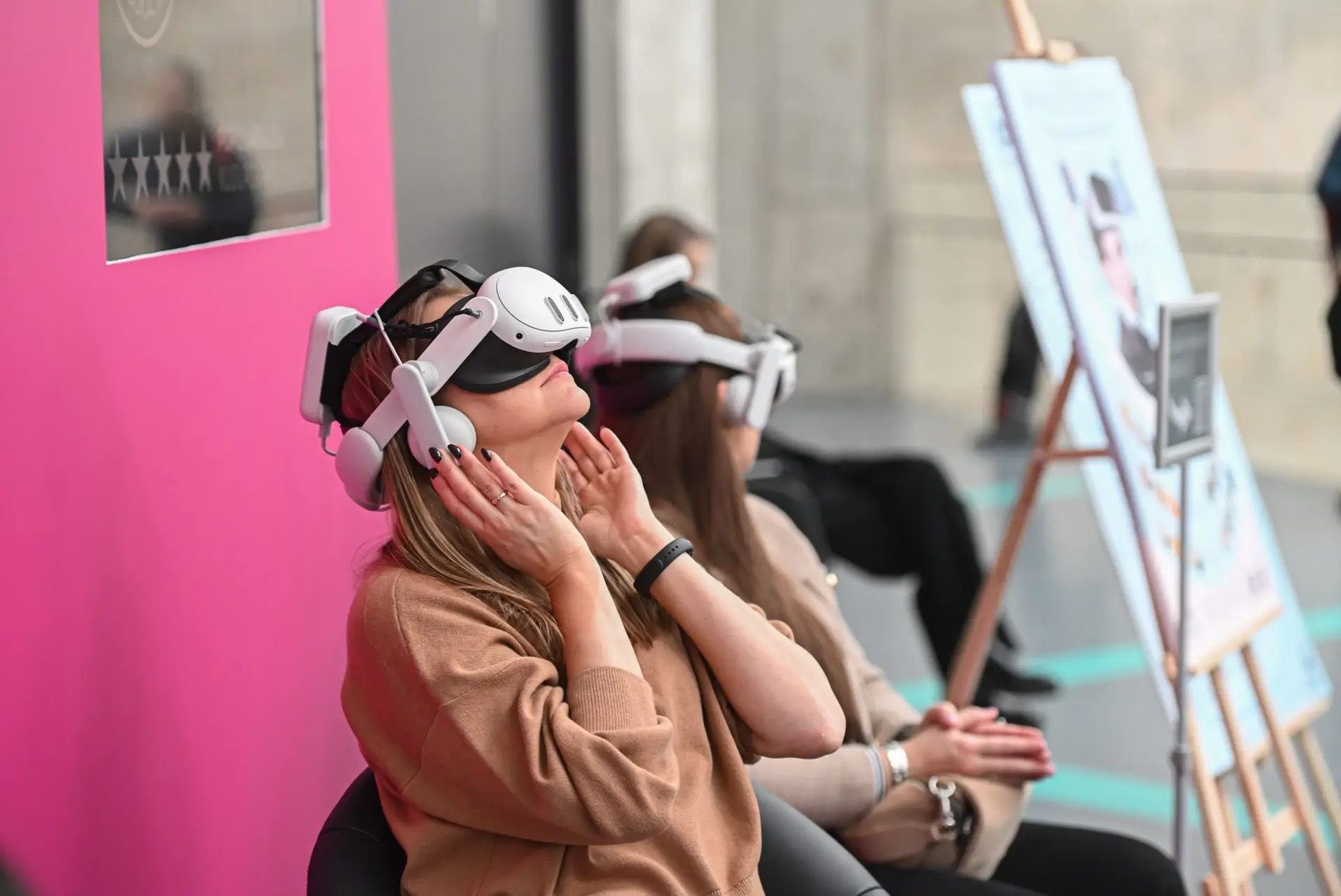
Although it was our first time attending this conference, we managed to reach a large audience, showing our film to more than 200 teachers on both days. It’s great to see that our virtual reality film makes people emotional – we could even see tears in the eyes of some teachers who saw it.
But the most fun is to see that teachers are open to innovation and change. All the teachers we spoke to were interested in modern education and the lesson of the future we presented.
Game “Who are you, Kastuk?
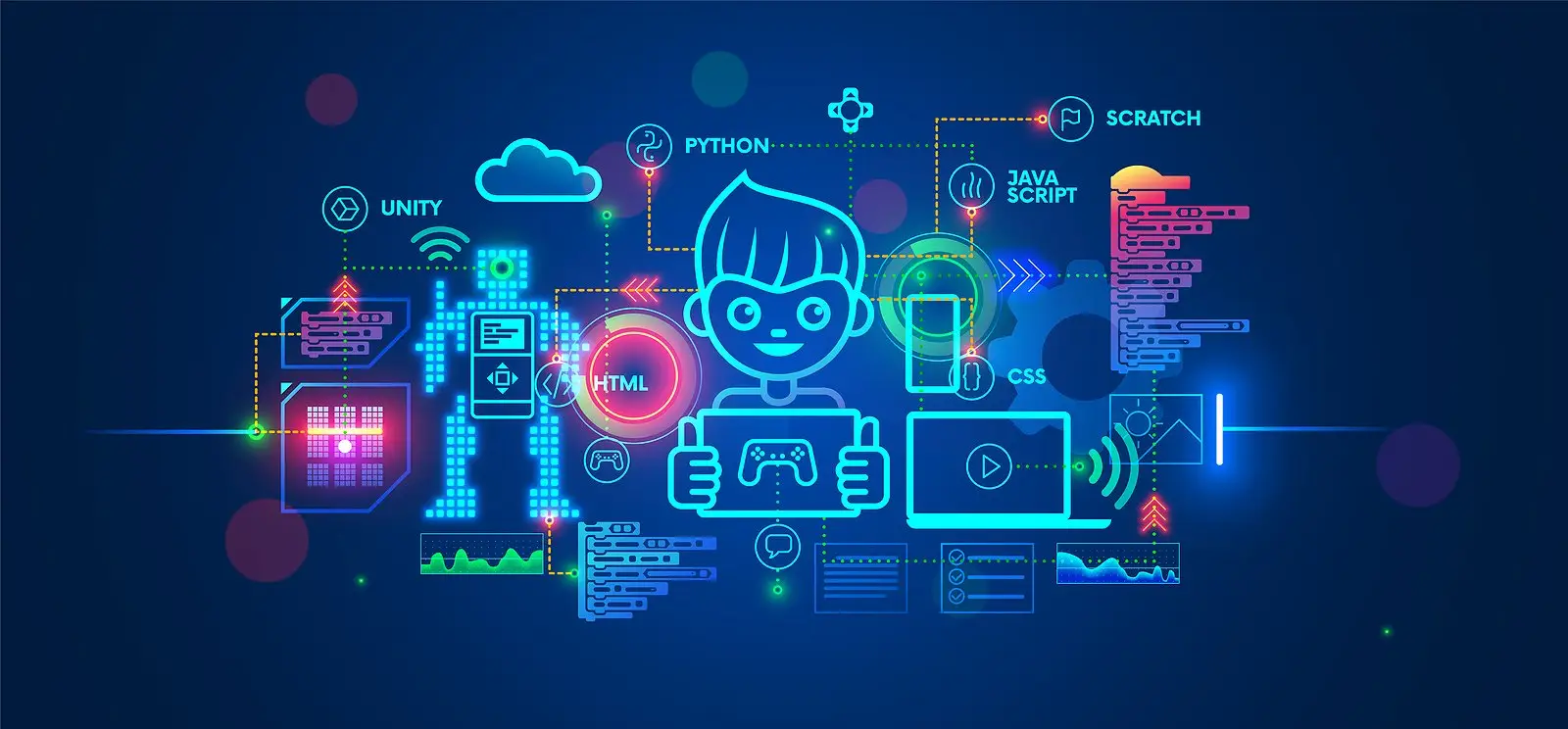
All of them had the opportunity not only to see the virtual reality film, but also to touch the interactive game “Who are you, Kastuk?”, developed with IronCat. – a product that is particularly relevant in terms of adapting the learning process to the needs of the younger generation. This lesson for the future allows pupils and teachers to learn about the biography of Mikolas Konstantinas Čiurlionis and the artist’s work that is intertwined with it in a modern way. In the game, they can see both the artist himself and his wife, Sophie, come to life.
All of them had the opportunity not only to see the virtual reality film, but also to touch the interactive game “Who are you, Kastuk?”, developed with IronCat. – a product that is particularly relevant in terms of adapting the learning process to the needs of the younger generation. This lesson for the future allows pupils and teachers to learn about the biography of Mikolas Konstantinas Čiurlionis and the artist’s work that is intertwined with it in a modern way. In the game, they can see both the artist himself and his wife, Sophie, come to life.
The answer to the question why the interactive game “Who are you, Kastuk?” is simple – it’s because of the play element. The importance of this will be discussed at the conference in the panel “What is the role of play in children’s skills development?” Margarita Moskaliova, Head of Educational Projects at “Angelai Takais”, spoke at the conference. What makes it so important, we’ll tell you too – the role of play elements in education is praised by all professionals. Because today’s children, who have grown up with technology and innovation, are better able to retain information through games and non-standard activities. Moreover, the integration of play into the educational process increases children’s motivation, productivity and willingness to participate in lessons, and at the same time develops their brain activity.
So we appreciate that educators themselves are not standing still, they are interested and fascinated by the technologies of the future and, of course, they want to educate their students in a modern way. We hope that the classroom of the future will look like this – with virtual reality goggles, immersive reality, artificial intelligence, and other innovations that help modern people better absorb information. And at the same time, it will give children the opportunity to learn about things in a non-mediated, engaging and innovative way.
Seeing the enthusiasm of the teachers during the conference, we are confident that the virtual reality film “On the Paths of Angels” and the game “Who are you, Kastuk?” we will be able to show it to their pupils too. Especially since students can see this education completely free of charge – all they have to do is use their Culture Passport.